 Love & Layovers
Why Visit Germany?
Germany offers a perfect blend of modern cities and fairy-tale castles, world-class beer culture, engineering marvels, and rich history. From Berlin's vibrant energy and historical significance to Munich's beer halls and Bavarian charm, from the dreamy Neuschwanstein Castle to Rhine Valley vineyards, Germany captivates with culture, efficiency, and authenticity. Perfect for history buffs, beer enthusiasts, nature lovers, and architecture admirers.
Explore medieval towns, sip Oktoberfest beer, hike Alpine mountains, enjoy hearty cuisine, and experience German precision and hospitality. Germany is unforgettable.
Watch Our Travel Films
We turn our trips into films and Reels. Watching is the easiest way to get a feel for a place before you plan.
3-Day Germany Itinerary
A 3-day plan with morning, afternoon and evening ideas and an approximate daily cost per person. Use it as a starting point and adjust to your pace. The daily budget at the top of this guide includes a mid-range hotel shared by two; the day-by-day costs below cover food, local transport and entry fees, with your hotel extra.
Berlin: History & Modern Culture
Munich: Bavarian Beer & Culture
Neuschwanstein Day Trip & Castles
Germany Food Guide
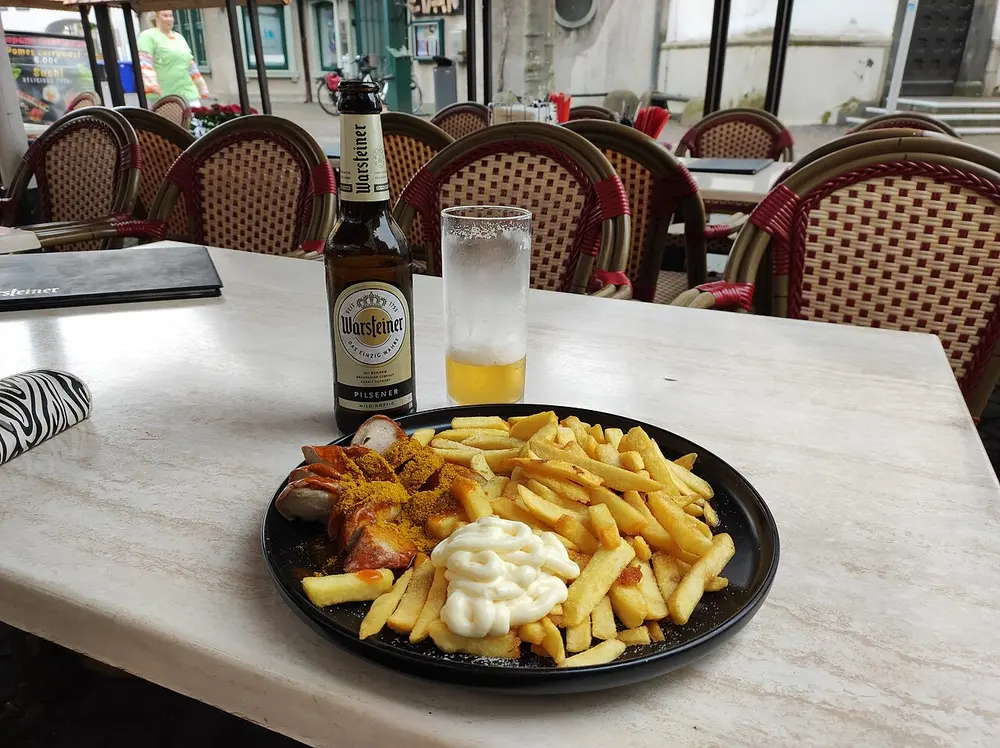
German cuisine is hearty, meat-focused, and pairs perfectly with beer. Sausages, schnitzel, and pretzels are staples. Each region has specialties - Bavarian comfort food is iconic.
Must-Try Dishes
- Schnitzel – Breaded, fried pork cutlet. Cost: EUR 12-18
- Sauerbraten – Marinated pot roast. Cost: EUR 14-22
- Currywurst – Sausage with curry sauce. Cost: EUR 4-7
- Pretzels (Brezel) – Soft, salty bread. Cost: EUR 2-4
- Spätzle – Egg noodles, often with cheese. Cost: EUR 9-15
- Eintopf – German stew. Cost: EUR 7-12
- Black Forest Cake – Chocolate, cherries, cream. Cost: EUR 5-8
- Käsespätzle – Cheese noodles with onions. Cost: EUR 10-16
Best Food Spots
- Beer Halls – Hofbräuhaus in Munich, traditional atmosphere
- Biergärten – Outdoor beer gardens with food
- Traditional Restaurants – Gasthaus or Weinstube
- Street Food – Currywurst stands, döners
Best Time to Visit Germany
Best overall: May-June and September-October (pleasant 15-20°C, fewer crowds than summer)
Oktoberfest: September-October (crowded, expensive, but iconic beer festival)
Christmas Markets: November-December (festive, magical, cold 0-5°C)
Budget tip: January-March (cold -5 to 5°C, snowy, lowest prices and fewer tourists)
Getting Around Germany
Trains
Excellent train network. Deutsche Bahn operates most routes. Berlin-Munich: EUR 40-60. Rail pass available for unlimited travel.
U-Bahn & S-Bahn
Modern metro/commuter rail in major cities. Single ticket: EUR 2-3.50. Day pass: EUR 6-8. Very reliable and efficient.
Taxis & Ride-share
Taxis metered in cities. Uber available. Within cities: EUR 6-15 typical fare.
Organized Tours
Walking tours: EUR 12-18. Neuschwanstein tours: EUR 70-90. Oktoberfest tours: EUR 50-80.
Travel Essentials
Visa & Entry
Visa for Indians: a Schengen short-stay visa is required. Apply through the Germany visa centre in India (VFS Global or the appointed provider) if Germany is your main destination, up to 6 months and at least 15 days before you travel. The fee is €90 for adults, processing usually takes about 15 days (longer in summer), and you need travel insurance with at least €30,000 medical cover. The visa allows up to 90 days in any 180-day period across the Schengen area. Rules as of October 2026; always check the official website before you apply.
Currency & Money
Euro (EUR). Exchange rate: 1 EUR ≈ 1.10 USD. ATMs widely available. Tipping not mandatory (5-10% appreciated at restaurants).
Budget Breakdown (per day, budget traveler)
- Accommodation: EUR 30-70 (hostels, budget hotels)
- Food: EUR 15-30 (restaurants, street food, markets)
- Transport: EUR 5-10 (local transit)
- Activities: EUR 20-40 (museums, castles, attractions)
- Total: EUR 70-150/day (~$77-165 USD)
Important Notes
- Germans value punctuality - trains almost always on time.
- Many shops closed on Sundays - plan accordingly.
- Cash still preferred in some establishments - ATMs widely available.
- Oktoberfest (Sep-Oct) highly crowded and expensive - book in advance.
- Winter weather cold - pack warm layers, especially Nov-Mar.
Germany FAQs
Do Indians need a visa for Germany?
A Schengen short-stay visa is required. Apply through the Germany visa centre in India (VFS Global or the appointed provider) if Germany is your main destination, up to 6 months and at least 15 days before you travel. The fee is €90 for adults, processing usually takes about 15 days (longer in summer), and you need travel insurance with at least €30,000 medical cover. The visa allows up to 90 days in any 180-day period across the Schengen area. Rules as of October 2026; always check the official website before you apply.
How much does a Germany trip cost per day?
Plan for roughly EUR 95–145 per person per day (about ₹9,000–14,000) for a mid-range trip, covering accommodation, food, local transport and sightseeing. Prices are approximate as of October 2026.
When is the best time to visit Germany?
May-Jun, Sep-Oct. Best overall: May-June and September-October (pleasant 15-20°C, fewer crowds than summer)
Never miss a trip
New travel films every week on YouTube, plus stories, Reels and food finds on Instagram.
Prices, visa rules and opening details change often. Figures here are approximate as of October 2026, so please check official websites before you book.