 Love & Layovers
Why Visit Bhutan?
Bhutan, the last great Himalayan kingdom, measures success in Gross National Happiness. Expect fortress-monasteries (dzongs), prayer flags on mountain passes, spotless forests and a culture that has changed little over centuries. Indians don't need a visa, the ngultrum is pegged to the rupee and you can fly in or arrive by road from West Bengal.
A first trip usually covers Thimphu, the capital; Punakha, across the Dochula Pass; and Paro, home to the cliffside Tiger's Nest monastery.
Watch Our Travel Films
We turn our trips into films and Reels. Watching is the easiest way to get a feel for a place before you plan.
Bhutan Itineraries: 3, 5 or 7 Days
Pick 3, 5 or 7 days. Each longer plan builds on the shorter one: the first days stay the same and the extra days add more places. Costs are approximate per person per day; prices and timings change, so check before you book.
Paro arrival & Thimphu
Thimphu culture
Dochula Pass & Punakha Dzong
Chimi Lhakhang & Punakha valley
5-day planBack to Paro
5-day planTiger's Nest hike
7-day planChele La & departure
7-day planBhutanese Food to Try
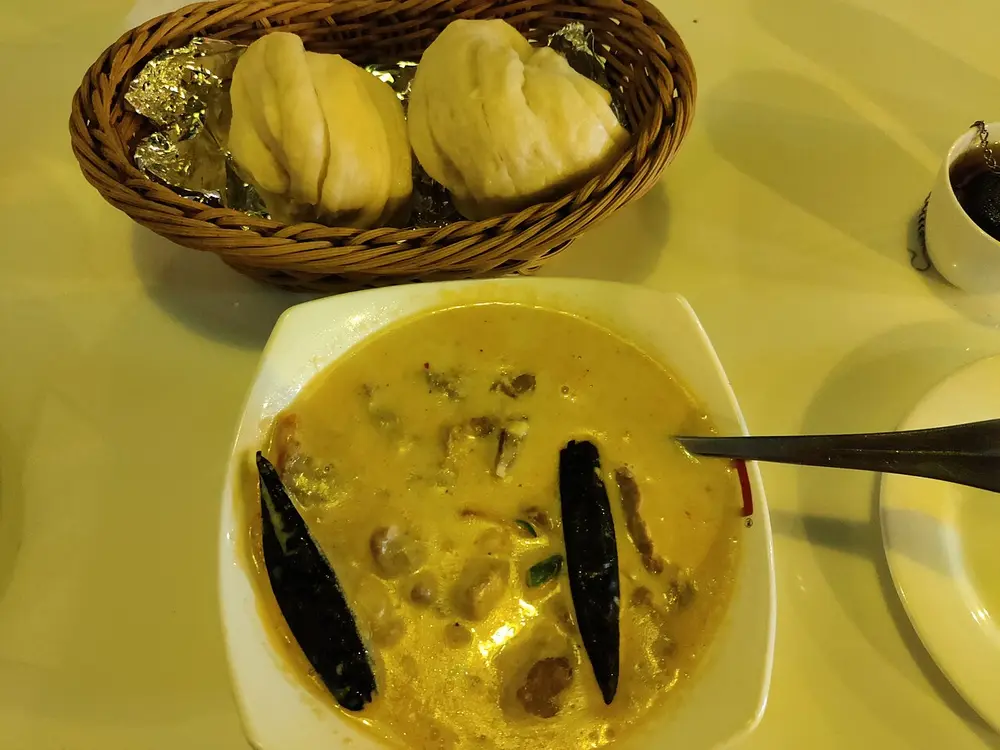
- Ema datshi — The national dish: chillies cooked in cheese. Seriously spicy.
- Kewa datshi and shamu datshi — Potatoes or mushrooms in cheese sauce, milder versions of ema datshi.
- Red rice — Nutty Bhutanese red rice served with most meals.
- Momos — Dumplings with cheese, vegetable or meat filling.
- Jasha maru — Spicy minced chicken stew.
- Suja — Salty butter tea, an acquired taste.
For Indian travellers: vegetarian food is easy to find and most hotels can make dal, sabzi and roti. Ask for "less chilli" if you don't want it very hot.
Best Time to Visit Bhutan
Spring (March–May): rhododendrons in bloom, pleasant days and festivals such as the Paro Tshechu.
Autumn (September–November): clear skies and the best mountain views, plus the Thimphu Tshechu festival. This is peak season.
Winter (December–February): cold, especially at night, but clear; passes can close after snow.
Monsoon (June–August): lush and quiet, but rain and landslides can affect roads.
Getting Around Bhutan
By air: Druk Air and Bhutan Airlines fly to Paro from Delhi, Kolkata, Bagdogra, Guwahati and other cities. Flights are weather-dependent.
By road: cross from Jaigaon (West Bengal) to Phuentsholing, then drive about 4–5 hours to Thimphu. Bagdogra is the nearest Indian airport.
Getting around: there are no trains, and roads are narrow and winding, so most visitors travel by hired car with driver. Allow plenty of time between towns.
Travel Essentials
Entry for Indians: Indian citizens don't need a visa. You get an entry permit on arrival at Paro or Phuentsholing with a valid passport or voter ID card, and a further route permit to travel beyond Thimphu and Paro. Indian visitors also pay a Sustainable Development Fee (SDF) per person per night (₹1,200 at the time of writing, with reductions for children), and usually need a licensed guide outside Thimphu and Paro. Book permits and hotels through a licensed operator or your hotel. Rules as of October 2026; always check the official website before you travel.
Money: Bhutanese ngultrum (Nu.), pegged 1:1 to the Indian rupee. Indian rupees are widely accepted, though larger notes are sometimes refused. ATMs exist in towns, but card acceptance is limited.
Daily budget (per person): roughly ₹6,000–10,000 a day for a hotel share, car and driver, guide and food, plus the SDF.
SIM card: B-Mobile and TashiCell sell SIMs with your permit and ID.
Plugs: types D, G and M, 230V.
Etiquette: dress formally for dzongs and temples (long sleeves and long trousers or skirts; no caps), walk clockwise around chortens, and don't point at religious objects. Smoking in public places is prohibited and tobacco you bring in is taxed.
Bhutan FAQs
How much does a Bhutan trip cost per day?
Plan for roughly ₹6,000–10,000/day + SDF per person per day for a mid-range trip, covering accommodation, food, local transport and sightseeing. Prices are approximate as of October 2026.
How many days do you need in Bhutan?
3 days covers the highlights: Paro arrival & Thimphu, Thimphu culture and Dochula Pass & Punakha Dzong. With 5 days you can add Chimi Lhakhang & Punakha valley and Back to Paro, and a full week adds Tiger's Nest hike and Chele La. Our 3, 5 and 7-day itineraries build on each other, so you can stop at any point.
When is the best time to visit Bhutan?
Mar–May, Sep–Nov. Spring (March–May): rhododendrons in bloom, pleasant days and festivals such as the Paro Tshechu.
Never miss a trip
New travel films every week on YouTube, plus daily stories, Reels and food finds on Instagram.
Prices, visa rules and opening details change often. Figures here are approximate as of October 2026, so please check official websites before you book.