 Love & Layovers
Why Visit Cambodia?
Cambodia is home to Angkor Wat, the world's largest religious monument, built as a Hindu temple to Vishnu. Its walls are carved with scenes from the Ramayana, the Mahabharata and the churning of the ocean of milk (Samudra Manthan), so Indian visitors often find it deeply moving.
Spend most of your time in Siem Reap for the Angkor temples and the Tonle Sap lake, then add the riverside capital, Phnom Penh. It's easy to pair with Thailand or Vietnam, and it's great value.
Watch Our Travel Films
We turn our trips into films and Reels. Watching is the easiest way to get a feel for a place before you plan.
Cambodia Itineraries: 3, 5 or 7 Days
Pick 3, 5 or 7 days. Each longer plan builds on the shorter one: the first days stay the same and the extra days add more places. Costs are approximate per person per day; prices and timings change, so check before you book.
Siem Reap & Pub Street
Angkor Wat sunrise, Bayon & Ta Prohm
Banteay Srei & the Grand Circuit
Tonle Sap & on to Phnom Penh
5-day planRoyal Palace & Phnom Penh
5-day planHistory & the Russian Market
7-day planSilk Island & departure
7-day planCambodia tickets & tours we’d book
These are Klook affiliate links: if you book through them we earn a small commission, at no extra cost to you. It helps keep these guides free.
Food to Try in Cambodia
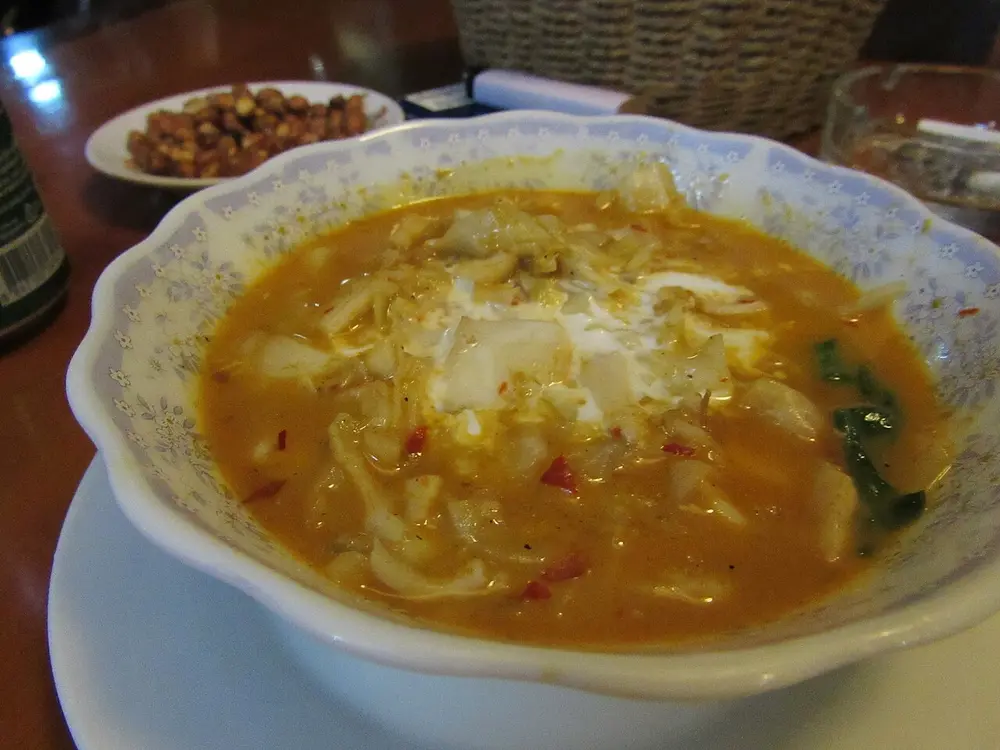
- Fish amok — Fish in a fragrant coconut and kroeung (lemongrass paste) curry, steamed in banana leaf; ask for tofu or vegetable amok.
- Lok lak — Stir-fried beef with a lime and pepper dipping sauce.
- Nom banh chok — Rice noodles with green fish curry, a classic Khmer breakfast.
- Kuy teav — Noodle soup eaten for breakfast across the country.
- Num pang — Cambodian baguette sandwiches, with tofu or vegetable versions easy to find.
- Tropical fruit — Mango, rambutan and mangosteen from the markets.
For Indian travellers: Siem Reap and Phnom Penh have many Indian restaurants, and most Khmer kitchens can make vegetable or tofu versions of curries and stir-fries.
Best Time to Visit Cambodia
Cool, dry season (November–February): the best time for Angkor, with sunny skies and lower humidity.
Hot season (March–May): very hot, often 35°C or more; start temples at sunrise and rest at midday.
Rainy season (June–October): green, quieter and cheaper, with short afternoon downpours. The Tonle Sap floating villages are at their best late in the season.
Getting Around Cambodia
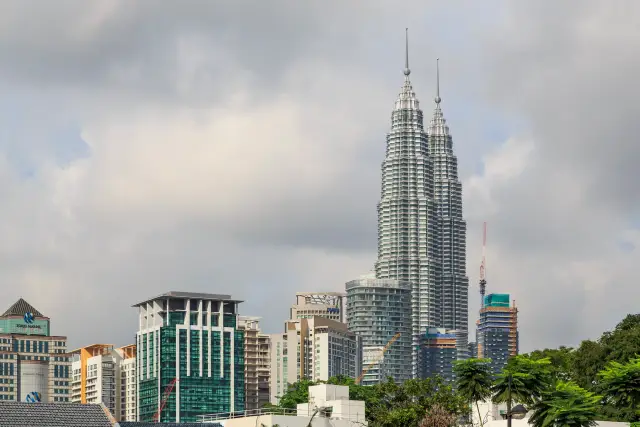
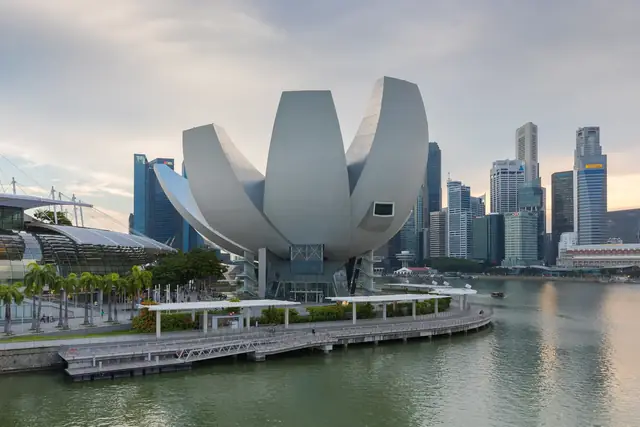
Flights from India: there are no direct flights at the time of writing. Connect through Bangkok, Singapore, Kuala Lumpur or Ho Chi Minh City to Siem Reap or Phnom Penh.
Around Angkor: hire a tuk-tuk and driver for the day (agree the route and price) or use the Grab and PassApp ride apps. E-bikes are a fun option for the small circuit.
Siem Reap–Phnom Penh: comfortable buses take about 5–6 hours; there are also short domestic flights.
Combining countries: buses run from Phnom Penh to Ho Chi Minh City and from Siem Reap to Bangkok.
Travel Essentials
Entry for Indians: Indians need a visa. Get the tourist e-visa on the official portal (evisa.gov.kh) or a visa on arrival at the main airports and border crossings, usually about US$30 for 30 days. All air arrivals must also fill in the free Cambodia e-Arrival card online before the flight. Rules as of October 2026; always check the official website before you travel.
Money: US dollars are used everywhere alongside the Cambodian riel; you often get change in riel. Bring clean, untorn dollar notes. ATMs are common in cities.
Angkor Pass: buy only at the official ticket centre or online. Passes are around US$37 for 1 day, US$62 for 3 days and US$72 for 7 days; check current prices.
Daily budget (per person): a mid-range hotel share, food, a tuk-tuk and sightseeing come to about US$50–90 a day, plus the Angkor Pass.
SIM card: Smart, Cellcard and Metfone sell cheap tourist SIMs at the airport with your passport.
Plugs: types A, C and G, 230V. Many sockets take Indian two-pin plugs, but bring a universal adapter.
Etiquette and safety: cover shoulders and knees at temples and the Royal Palace, and don't touch monks or people's heads. Use licensed guides at Angkor, and never stray off marked paths in remote areas.
Cambodia FAQs
How much does a Cambodia trip cost per day?
Plan for roughly US$50–90 per person per day (about ₹4,300–7,700) for a mid-range trip, covering accommodation, food, local transport and sightseeing. Prices are approximate as of October 2026.
How many days do you need in Cambodia?
3 days covers the highlights: Siem Reap & Pub Street, Angkor Wat sunrise, Bayon & Ta Prohm and Banteay Srei & the Grand Circuit. With 5 days you can add Tonle Sap & on to Phnom Penh and Royal Palace & Phnom Penh, and a full week adds History & the Russian Market and Silk Island. Our 3, 5 and 7-day itineraries build on each other, so you can stop at any point.
When is the best time to visit Cambodia?
Nov–Feb. Cool, dry season (November–February): the best time for Angkor, with sunny skies and lower humidity.
Never miss a trip
New travel films every week on YouTube, plus stories, Reels and food finds on Instagram.
Prices, visa rules and opening details change often. Figures here are approximate as of October 2026, so please check official websites before you book.